
Beyond the Neon, There's a City With a Surprisingly Fascinating Past
Las Vegas has a flair for making an entrance.
Most cities greet visitors with a skyline or an attractive welcome sign.
Las Vegas prefers enormous illuminated buildings, elaborate architecture, spectacular entertainment, and the general suggestion that subtlety is a perfectly respectable quality best practiced somewhere else.
And to be fair, the approach has worked rather well.
But beyond the famous spectacle exists another Las Vegas.
One with modest ranch homes, historic neighborhoods, decades-old architecture, tree-lined residential streets, and stories that have surprisingly little to do with the entertainment industry's reputation.
It's a city that grew not only through ambitious developments and famous attractions, but through the everyday lives of people who needed places to work, raise families, build communities, and occasionally enjoy a peaceful evening without a synchronized fountain performance.
Welcome to the Las Vegas that rarely appears in a souvenir shop.
The Neighborhood That Tells a Different Story
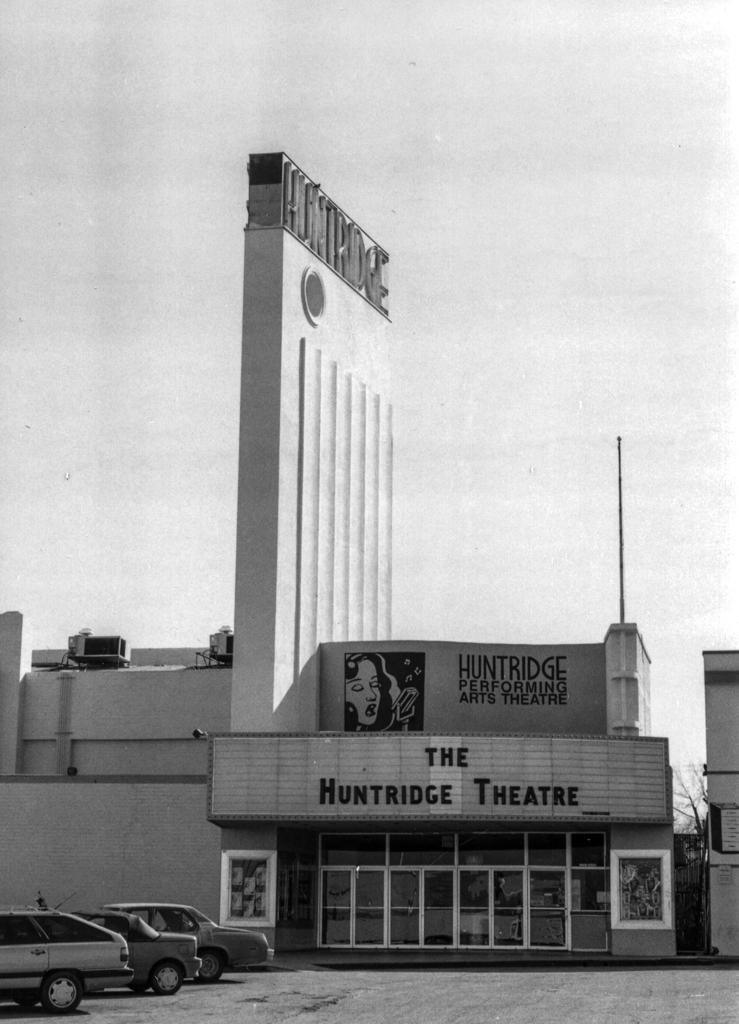
Consider Huntridge.
Located near the city's historic core, the neighborhood offers an important glimpse into the residential development of Las Vegas during the twentieth century.
The City of Las Vegas has documented Huntridge's historic architectural character, including homes built in the early 1940s.
Many were modest single-story residences influenced by traditional ranch-house design.
Their defining characteristics included low rooflines, horizontal proportions, practical layouts, and relatively restrained architectural details.
These weren't buildings designed to overwhelm visitors with spectacle.
They were designed to be lived in.
Which, for Las Vegas, is a wonderfully refreshing architectural concept.
Huntridge also reflected the broader development patterns of its era.
Residential planning, street organization, local parks, and access to community services were important considerations.
The neighborhood demonstrates how the city accommodated ordinary life while developing its extraordinary public identity.
When Modest Architecture Was Modern
Today, a mid-century house can look charmingly nostalgic.
But during the period when many of these homes were constructed, they represented practical ideas about contemporary living.
Single-story plans helped organize domestic spaces.
Relatively simple building forms reflected construction methods and economic conditions.
Large windows, patios, and connections between interiors and outdoor areas became important themes in many mid-century residential designs.
The broader architectural movement embraced practicality, changing family routines, and a growing interest in informal living.
Of course, not every mid-century home was an architectural masterpiece.
Some were perfectly ordinary.
Others developed distinctive details that remain desirable to preservation enthusiasts.
What makes them interesting is how they reflect the needs and expectations of the people who first lived in them.
Architecture is often a record of what a society considered comfortable, efficient, attractive, or aspirational.
In Las Vegas, that record can be especially revealing.
The Other Kind of Las Vegas Glamour
The city's better-known landmarks have always been eager to attract attention.
But residential architecture can reveal a quieter form of glamour.
Consider the appeal of a classic mid-century home.
Clean proportions.
Well-organized rooms.
A courtyard or patio.
Original decorative details.
An established landscape.
Perhaps a beautifully preserved front door in a color that would make a modern homeowners association deeply nervous.
These elements create charm without requiring grand scale.
They also illustrate the appeal of individuality.
Historic homes often carry details that are less common in standardized modern construction.
Sometimes those details are beautiful.
Sometimes they're slightly eccentric.
Occasionally, they raise practical questions about how people were expected to fit furniture through a particular doorway.
But collectively, they contribute to a neighborhood's sense of place.
Why Old Neighborhoods Matter
Historic residential areas provide something that new developments cannot manufacture instantly.
Time.
Trees mature.
Architectural patterns develop.
Neighbors establish traditions.
Local businesses become familiar landmarks.
Buildings collect stories.
An established neighborhood is shaped by countless decisions made across generations.
This doesn't automatically make older neighborhoods better than newer ones.
Modern developments can provide excellent amenities, efficient layouts, and contemporary infrastructure.
But historic neighborhoods offer valuable examples of how urban identity develops over time.
Preserving noteworthy buildings and understanding their history can help communities retain architectural variety and cultural memory.
A city that only celebrates what's new risks forgetting the stories that made its present possible.
And Las Vegas, of all places, has some particularly interesting stories worth remembering.
The City Behind the Entertainment Capital
Las Vegas has always contained multiple identities.
There is the internationally recognized entertainment destination.
There are established residential neighborhoods.
There are business districts, local restaurants, schools, cultural institutions, and community gathering places.
There are historic areas that reveal earlier periods of the city's development.
And there are modern neighborhoods reflecting entirely different architectural preferences and ways of life.
The most interesting thing about Las Vegas may be that these identities exist simultaneously.
You can spend an afternoon appreciating architecture from a different era and an evening surrounded by extraordinary modern spectacle.
Few cities offer such dramatic contrasts.
It's rather like discovering that the most flamboyant person at a party also maintains a beautiful vegetable garden and has surprisingly thoughtful opinions about municipal planning.
Unexpected.
And considerably more interesting than the original introduction suggested.
The Hidden Value of Architectural Character
For anyone interested in homes, established Las Vegas neighborhoods present an opportunity to think beyond square footage and finishes.
Architectural character can influence how a property feels.
Original features may contribute distinctive visual appeal.
Outdoor spaces, rooflines, natural light, and neighborhood context can make one house feel completely different from another with similar dimensions.
However, older homes also deserve thorough practical evaluation.
Electrical systems, plumbing, insulation, roofing, cooling performance, and previous renovations may require particular attention.
Historic charm is delightful.
An unexpected repair bill is considerably less romantic.
The best approach combines appreciation for architectural personality with careful research and professional inspections.
A More Interesting Way to See Las Vegas
The next time someone describes Las Vegas exclusively through its famous attractions, consider introducing them to its residential history.
Talk about Huntridge.
Talk about the city's growth and changing architecture.
Talk about the people who established communities beyond the spotlight.
Because the complete story of Las Vegas isn't simply about spectacular buildings or famous destinations.
It's about the neighborhoods that grew alongside them.
The ordinary homes that witnessed extraordinary changes.
And the generations of residents who created a city behind the public image.
The illuminated skyline deserves its photographs.
But the quieter streets deserve their stories.
A Little More Las Vegas
At Stratton Ives Group, we believe Las Vegas becomes even more fascinating when you explore beyond the familiar landmarks.
From established neighborhoods with architectural personality to contemporary communities designed for modern living, every part of the Valley has its own story.
And sometimes the most interesting place in Las Vegas is the one nobody thought to put on a postcard.

Check out this article next