

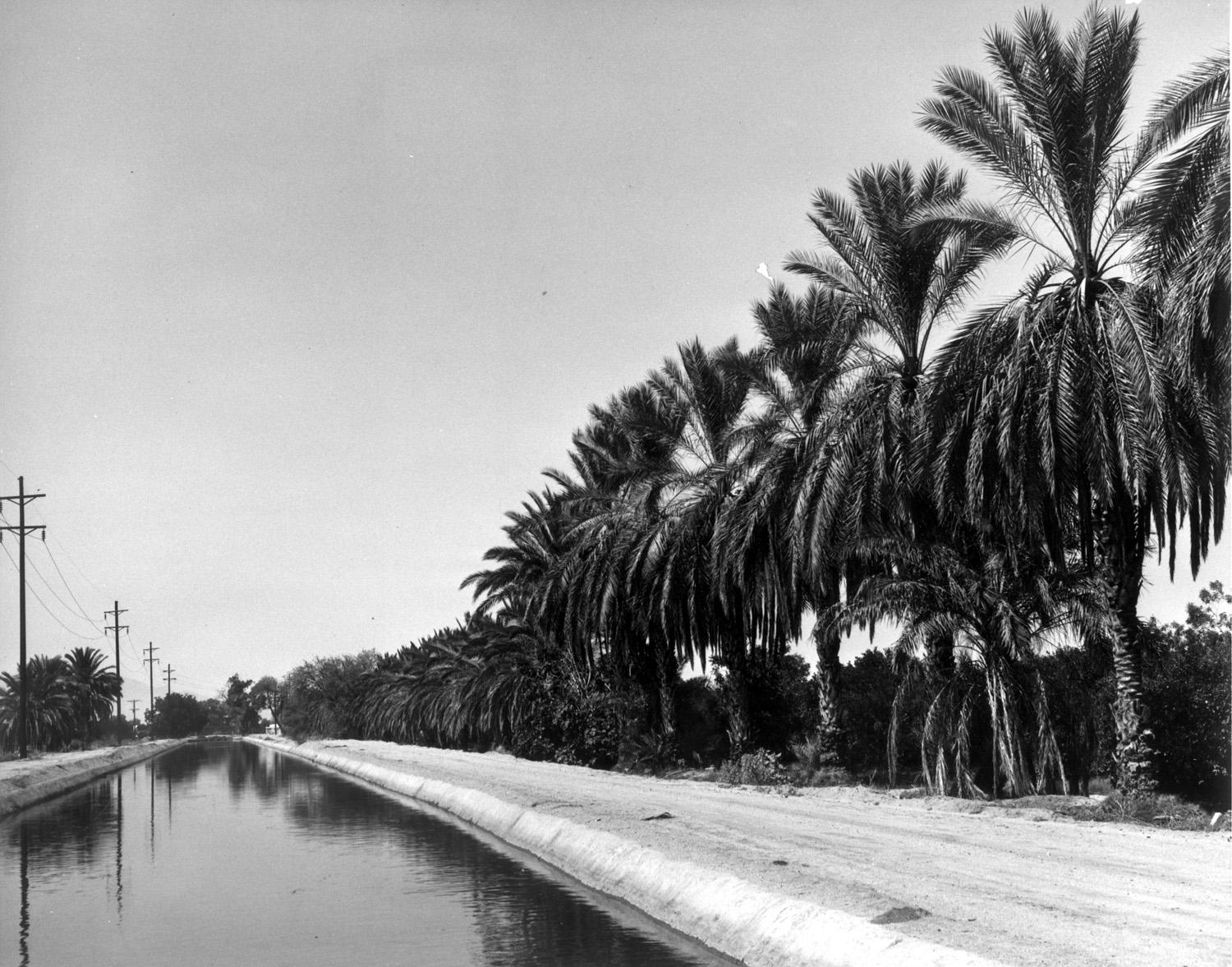
Before Phoenix Had Skyscrapers, It Had Something Far More Impressive
The Ancient Engineering Marvel That Helped Shape a Modern Metropolis
Phoenix has developed a reputation for doing things on a grand scale.
Expansive neighborhoods. Dramatic desert architecture. Impressive commercial districts. Roads so wide they occasionally appear to be preparing for an aircraft landing.
But long before glass towers and modern infrastructure transformed the Valley, people living in this desert had already accomplished something extraordinary.
They built an enormous irrigation network.
Not with modern excavation equipment, computer-assisted engineering, or a particularly determined committee armed with spreadsheets.
With human labor, sophisticated environmental knowledge, and remarkable ingenuity.
And the effects of that achievement can still be seen in the Phoenix metropolitan area.
The Desert City That Started With Water
If you're designing a major settlement in the Sonoran Desert, water is an exceptionally important detail.
One might argue it's rather more important than deciding where to place the shopping district.
Ancient Indigenous farmers understood this challenge intimately.
The ancestral Sonoran Desert people, often called the Hohokam in archaeological literature and known through the continuing histories of O'odham communities, developed extensive canal systems that helped support agricultural settlements throughout the Salt River Valley.
These weren't simply shallow trenches guiding a little water toward a vegetable garden.
They were sophisticated networks designed to transport water across substantial distances.
According to Salt River Project, ancient canal systems in the Valley eventually extended nearly 500 miles and may have supported as many as 50,000 people at one time.
The complexity was extraordinary.
Creating a functioning canal required understanding terrain, elevation, soil conditions, water movement, maintenance, and seasonal variation.
Water needed to move steadily enough to reach agricultural land without creating destructive erosion.
And because gravity was doing much of the work, careful planning mattered.
Ancient engineers were designing essential infrastructure in a region where mistakes could have serious consequences.
They were also doing it without GPS.
Suddenly, complaining about an unreliable phone navigation system feels slightly less impressive.
The City Before the City
Phoenix's modern identity can make its ancient history surprisingly easy to overlook.
But the Valley has been shaped by human activity for well over a thousand years.
Agricultural communities cultivated crops, developed settlements, exchanged goods, and established systems for managing precious resources.
Their irrigation infrastructure represented not just engineering, but cooperation.
Canals need maintenance.
Communities need arrangements for distributing water.
Agriculture requires coordination.
The scale of these systems demonstrates how sophisticated the region's early settlements were.
It's an important reminder that Phoenix's history did not begin with nineteenth-century development.
Much of what made later growth possible had roots in knowledge developed generations earlier.
A Remarkable Second Act
When newcomers began settling the Salt River Valley during the nineteenth century, remnants of ancient irrigation systems were still visible.
Rather than beginning entirely from scratch, some early canal developments followed or reused earlier alignments.
The Swilling Irrigation and Canal Company, organized in 1867, helped establish a new era of irrigation development.
By the following year, the settlement that became Phoenix was emerging.
Agriculture expanded as water reached cultivated land.
The Valley gradually developed into a region of farms, orchards, communities, and eventually the sprawling metropolitan area familiar today.
Modern Phoenix is the result of many periods of change, technological developments, and communities.
But the connection between water and settlement has never disappeared.
Why Canals Are More Interesting Than They Sound
Canals have a difficult public-relations problem.
They're extremely useful, historically significant, and capable of making civilization possible.
Unfortunately, they don't have the immediate visual glamour of a mountain range or a beautifully designed building.
They're essentially the dependable friend who organizes everything while somebody else gets photographed.
Yet Phoenix's canals provide fascinating glimpses into the Valley's past and present.
Today, waterways and adjacent paths are part of the region's infrastructure and recreational landscape.
Some sections connect neighborhoods, parks, and commercial areas.
Others offer pleasant opportunities to walk or cycle.
They reveal the extent to which water systems influence urban development.
Look at Phoenix from above, and its grid of roads, neighborhoods, agricultural remnants, and water corridors begins telling a larger story about how the city grew.
Understanding that history changes how you see the landscape.
The Hidden Architecture of Everyday Life
A city's most important design decisions aren't always the most visible.
Consider how much the daily experience of a neighborhood depends on infrastructure.
Water distribution. Street layout. Drainage. Shade. Transportation. Electricity. Public spaces.
These systems shape where people live, how communities develop, and how comfortably daily life functions.
A beautiful home can have excellent architecture, carefully chosen finishes, and an extraordinary kitchen.
But if the surrounding infrastructure doesn't work, even the finest countertops quickly lose their ability to impress.
Phoenix is an especially fascinating place to consider this relationship because the desert environment makes infrastructure so consequential.
Water management, urban heat, landscape design, and transportation all influence the way communities grow.
The result is a city that constantly negotiates between human ambition and environmental realities.
And that negotiation has been happening for centuries.
Where the Past Is Still Visible
For anyone curious about the Valley's earlier inhabitants, archaeological and educational sites provide opportunities to understand this history more deeply.
S'edav Va'aki Museum in Phoenix preserves and interprets important elements of ancestral Sonoran Desert life.
The Park of the Canals in Mesa provides another connection to the region's historic irrigation landscape.
These places offer something more valuable than a photograph of an interesting old structure.
They reveal the intelligence, persistence, and community knowledge underlying the modern Valley.
And they challenge the idea that innovation necessarily means inventing something entirely new.
Sometimes it means recognizing the ingenuity of people who came long before you.
Phoenix's Most Underrated Story
Phoenix has reinvented itself repeatedly.
Agricultural settlement became a growing urban center. Suburbs expanded. New industries arrived. Architecture evolved.
The city developed a modern identity that emphasizes growth, design, opportunity, and innovation.
Yet beneath that modern story is a much older one.
People learned how to create communities in the desert by understanding the landscape and working with its limitations.
They made extraordinary engineering decisions with the tools available to them.
Their work helped establish a foundation for the communities that followed.
The next time you're driving through Phoenix, passing a canal or admiring the skyline, consider how much of the Valley's history lies quietly beneath the ordinary view.
The skyscrapers are impressive.
But the canals?
Those were genuinely ahead of their time.
A Little More Phoenix
At Stratton Group, we appreciate the history, design, and neighborhood character that make every part of the Valley different.
Understanding Phoenix is about more than knowing where homes are located. It's about understanding how the communities around them came to be—and what makes each one worth exploring.

Check out this article next